
Plumbing costs and projects
Plumbing upgrades: what to prioritize before selling a home
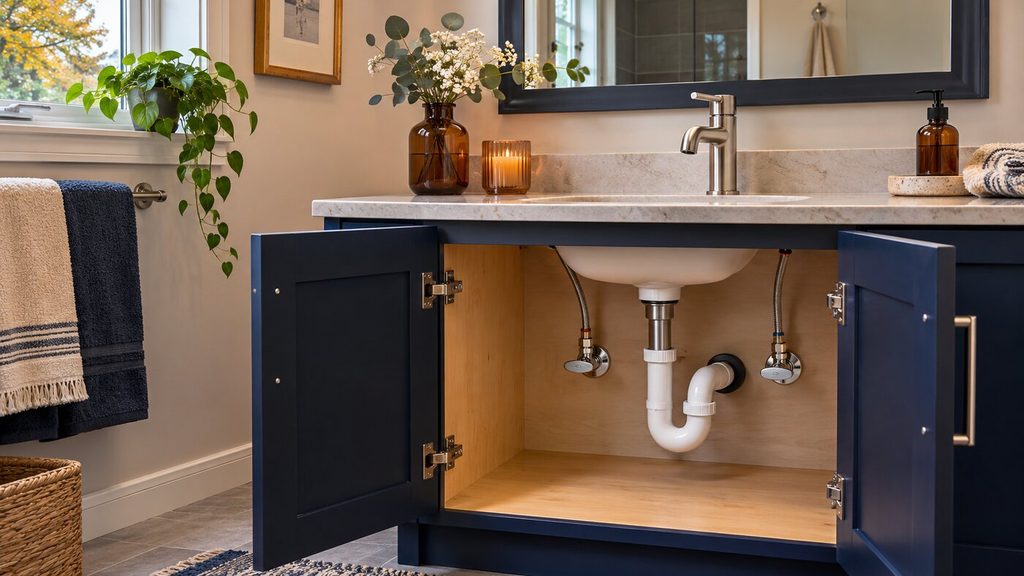
Before selling a home, prioritize plumbing upgrades that fix a known defect, reduce a credible water-damage risk, or make the condition of a major system easier to explain. New faucets may refresh a room, but they do little to address an active leak, a recurring sewer backup, or uncertainty about a water heater. Start with observable problems, obtain a diagnosis and a defined scope, then decide whether optional improvements fit the budget and sale timetable.
The five areas below are a decision framework, not a ranking of guaranteed returns. No plumbing project can be assigned a universal increase in resale price from a checklist. The starting condition, findings from an inspection, buyer concerns and local market all matter. A well-documented repair can make a property easier to describe accurately; it does not certify the entire plumbing system or erase the history of an incident.
Make a short condition list before choosing plumbing upgrades
Walk through the bathrooms, kitchen, laundry area, basement and water-heater space. Write down drips, stains, odours, unusual sounds, changes in flow and slow drains. Record when each symptom appears and whether several fixtures are affected. Photos from a dry, safe location can help explain the issue. Do not remove wall panels, move heavy equipment or dismantle a fitting to prove a cause you have not established.
Sort the observations into urgent defects, functional uncertainties and optional presentation work. An active leak or sewage backup belongs in the first group. A shutoff valve that cannot be operated or a water heater with damp connections calls for a closer look. A dated but working faucet may belong in the last group. This is only triage: a qualified assessment determines the actual defect, the extent of work and whether another trade must be involved.
In Québec, the OACIQ explains that the seller’s declarations address water damage and infiltration, among other property information. Keep inspection reports, invoices, product documents and dates of repairs together. Ask your broker or legal adviser how to complete the declarations for your circumstances. A replacement does not make a past leak disappear from the transaction history, and a new finish is no substitute for accurate disclosure.
1. Fix leaks and investigate moisture before cosmetic work
A dripping tap, water beneath a sink and a toilet that keeps refilling are useful, specific starting points. Also look at the floor around fixtures and the ceiling below a bathroom. A stain may have more than one possible source, so describe what you see without announcing that a particular pipe is responsible. A dry mark does not establish that the cause was corrected; a fresh mark does not identify a fitting by itself.
Ask whether the proposed work is a small component repair, a fixture replacement, a pipe repair or a separate search for the source. A worn seal may have a limited solution. Moisture behind a wall may need investigation and restoration beyond the plumber’s scope. Before accepting the quote, clarify what will be opened, how the repaired area will be tested, and who will restore surfaces or deal with material that remained wet.
For an elusive problem, our guide to investigating a hidden water leak without opening walls explains useful clues and the limits of non-invasive methods. Do not paint over a stain just before showings. If a material is still damp, address the source and the damage rather than hiding evidence. Keep a simple timeline of what happened, what was found, what was repaired and what follow-up was recommended.
Hydro-Québec also recommends repairing leaking faucets in its hot-water guidance. Actual water or energy savings depend on the leak and usage; that advice does not calculate a resale premium. The immediate reasons to act are reliable operation, avoiding waste and preventing a small issue from becoming a more serious problem while the property is on the market.
2. Investigate slow drains and repeated backups
One slow bathroom sink does not mean the building sewer needs replacement. Several fixtures backing up together, unusual gurgling or water emerging at a lower drain can suggest a broader issue. Note which fixtures are involved, when the symptom occurs and whether it has happened before. Do not keep running water to demonstrate a backup. Stay out of contaminated water, and do not pour chemicals into a drain when the cause and downstream conditions are unknown.
Distinguish clearing a blockage from correcting a defect in the pipe. Drain cleaning may restore flow without explaining a recurring problem. An inspection may be warranted when symptoms repeat or a major repair is being considered, but access and visibility can limit what it establishes. Request a report or explanation that separates observed conditions from possible causes and proposed options. A replacement should follow the evidence, not be selected in advance because the sale date is approaching.
A backwater valve is not a universal cure for every slow drain. Its suitability, location, maintenance needs and installation requirements depend on the property. Responsibility for private and municipal sections also depends on where a problem lies and the local rules. Do not assume a grant, a uniform city requirement or a particular repair method. Ask which line is affected and why the recommended step addresses the observed fault.
A documented correction to a known backup may be much more relevant to a prospective buyer than a new decorative fixture elsewhere. The OACIQ’s property information guidance includes water damage and infiltration. Discuss the events and the work with the professional handling the transaction; never promise that a repaired drain will never back up again. Retain dates, records and the limits of any inspection.
3. Check the water heater and the hot-water system
Find the manufacturer, capacity and date on the heater’s label, along with any installation or service records. From a safe location, note water at the base, visible corrosion or damp connections. Insufficient or inconsistent hot water can have several causes and should not be diagnosed from the age alone. Do not touch electrical connections, internal controls or a hot discharge, and do not drain a unit without understanding the safe procedure.
An older tank is not necessarily leaking. An insurance policy’s age condition is also a separate matter from a technical inspection. If a leak or fault is confirmed, obtain an assessment and a suitable replacement or repair plan. If the concern is mainly age, gather the documentation and discuss the timing rather than buying a larger tank on speculation. Capacity should match actual household needs and available space; a larger unit does not inherently improve the sale outcome.
Hydro-Québec’s hot-water advice connects equipment choice and use to energy consumption. Check a specific model’s specifications with its manufacturer. Québec’s RBQ guide to plumbing-work declarations distinguishes replacing a water heater from minor component repairs. Ask the contractor what declaration and coordination apply to the proposed work; do not assume the homeowner must file the same paperwork for every type of repair.
For a sale listing, provide facts you can substantiate: the model, date, invoice and scope of installation. Avoid calling a heater “new” if only one component was changed. If an earlier leak damaged a nearby surface, record that event and the restoration too. This helps a buyer understand the appliance without treating a new tank as a guarantee of future service life.
4. Assess piping, shutoff valves and drinking-water questions
Visible pipes offer only a partial view of a home. Different materials may reflect repairs made at different times; their assumed age is not enough to justify replacing everything. Look instead for specific evidence such as corrosion, dampness, repeated repairs, a meaningful change in flow or concerns raised during an inspection. A plumber can then identify the sections needing assessment and explain whether a focused repair or a broader renewal is proportionate.
Locate the main indoor shutoff and the accessible valves serving fixtures. It helps to know how water can be isolated in an emergency, but do not force a stuck or leaking valve ahead of a showing. Have its operation and access assessed. The indoor main valve is not the buried water service line. Work and responsibility on a private service line and on municipal infrastructure are different matters; a quote should say which section it covers.
If lead in a service line is suspected, do not infer its identity from the colour of one visible pipe or present a filter as a complete replacement. The Québec government describes the process for lead in drinking water, including the water-system operator’s role and sampling. Contact the municipality or water supplier about the information and procedure for the property. Testing and consideration of both public and private portions may be needed before defining any work.
Our guide to pipe condition and lifespan explains why age is only one consideration. Ask a contractor to identify the segments, proposed material, required openings and restoration in writing. Keep photos or plans of accessible work and the final invoice. Do not describe “all plumbing replaced” in marketing copy if the project covered only one bathroom or a short section.
5. Improve fixtures and water use after dealing with defects
Once significant problems are addressed, an awkward faucet, a poorly functioning toilet or an uncomfortable shower may be worth improving. Consider repairing an existing fixture when that is sensible. A replacement must suit the actual space, pressure and connections. A fashionable finish cannot make up for a leaking joint inside a vanity or a fixture that is difficult for residents to use.
Water-efficient products can support day-to-day use. Check flow, compatibility and maintenance rather than promising the same savings in every home. Hydro-Québec recommends measuring the flow from taps and showerheads before deciding on replacements. An aerator or a suitable showerhead may meet the need without a complete renovation. For a toilet, determine whether the problem lies in the tank mechanism, seal, fixture or drain before ordering a different model.
A bathroom renovation is an opportunity to inspect components that will soon be concealed, but opening a wall does not automatically require renewing every pipe. Moving fixtures or modifying piping calls for an appropriate plumbing plan and coordination with other trades. Our article on repairing or replacing bathroom plumbing during a renovation explores that decision. Close to a sale, a large project can also delay photography, showings and the collection of proper records.
Compare scopes, set a deadline and keep evidence
Request one written scope for necessary corrections and a separate option for optional plumbing upgrades. Compare quotes that describe equivalent fixtures, materials, access, openings, cleanup and restoration. Ask about diagnostic and travel charges, materials, taxes and how unforeseen work will be approved. Our guide on what to compare in a plumbing quote explains why an hourly rate alone cannot describe the final bill.
Set a realistic deadline before photos and visits. A small replacement can expose an incompatible connection, a damaged cabinet or a surface needing restoration. Allow time for access, repair, testing and paperwork, and identify who coordinates other work. If a leak is urgent, secure the property first. If a project is purely cosmetic and the schedule is tight, leaving the choice to the future owner may be more practical than beginning work that cannot be completed properly.
Check the contractor’s licence and whether its scope fits the proposed work. The official RBQ licence register provides a way to verify it. A company licence, worker qualifications and site-specific authorizations are separate questions. Ask who will perform the work, what the quote includes and which documents will be supplied. For a genuine residential plumbing issue, ProDrain’s residential plumbing service offers a way to describe the symptom and request an assessment without preselecting a repair.
Afterward, retain the accepted quote, detailed invoice, manufacturer instructions, applicable warranty and dated photos of accessible work. Record precisely what was changed. If testing or inspection had a limited scope, keep that limitation with the result. Give relevant information to the broker preparing seller declarations. A focused repair is not a certification of the whole property, and even an extensive renovation should be described with its actual boundaries.
Three realistic sale-preparation situations
The plumbing works, but some fixtures look dated
Test the taps, toilets, drains and accessible valves and repair specific faults. A newer fixture may improve comfort and presentation if it fits the budget, but consider whether the work can be finished cleanly before the listing. Appearance alone supplies no reliable return-on-investment figure. Keep the invoice and avoid promotional language that expands a fixture change into a claim that the bathroom plumbing is new.
There is a ceiling stain and a drain has backed up
Treat these as potentially separate issues until an assessment connects them. Protect the area, stop using a fixture that makes matters worse, and investigate the causes. Clearing a drain may not repair a hidden leak; replacing a faucet will not resolve a sewer backup. Request separate findings, limits and next steps. Restoration of affected surfaces and accurate disclosure of known incidents also need attention.
The water heater is older and pipes have mixed materials
Collect dates, invoices and observations and seek a targeted evaluation. Mixed materials do not alone mean the entire system needs renewal, and an older heater is not automatically defective. The decision changes if a leak, corrosion, a suspected lead service or an inspection finding supplies new evidence. Define the scope, responsibilities and timing before describing anything as “new plumbing” to a buyer.
Frequently asked questions
Do I have to replace all the plumbing before selling?
There is no general requirement to do so. Have known defects and inspection findings assessed. A local repair may be appropriate; broader renewal needs evidence about the actual condition and scope. Describe completed work precisely in sale documents and discuss disclosure obligations with the professional handling the transaction.
Will a new faucet raise the sale price?
No specific price increase or return can be promised for one fixture. It may improve function and presentation, especially if the old one leaks or works poorly. Weigh its cost and schedule against necessary repairs, and seek a broker’s view of how best to present the property.
Should I replace a water heater solely because it is old?
Check its date, condition, leak signs and installation records. Age helps plan, but it is not a full diagnosis. Request an assessment if its performance or condition is uncertain, and review your insurance terms and the requirements for any new installation.
What if an old leak was already repaired?
Keep records of the incident, diagnosis, repair and restoration. Do not conceal a stain or assume the replacement erases the event. Complete seller declarations accurately with guidance from the professional assisting with the sale.
How is clearing a drain different from repairing it?
Clearing aims to restore flow. Repair addresses an observed defect in the line or installation. A recurring problem may require further inspection. The quote should distinguish known findings, remaining uncertainty and the reason for each proposed step.
How should I prepare for a plumber’s visit before listing?
Note symptoms, dates and affected fixtures; gather previous invoices and reports, and provide safe access to the area. Share the photography or showing deadline without demanding a specific solution before diagnosis. Ask for a written scope, any openings and the records you will receive afterward.
Explore more decisions in Plumbing costs and projects. If a real defect needs attention before the sale, contact ProDrain with the property’s region, affected fixtures and timetable. An assessment should come before a choice of repair.