
Maintenance, prevention and water damage
Plumbing emergency: safe steps while waiting for help
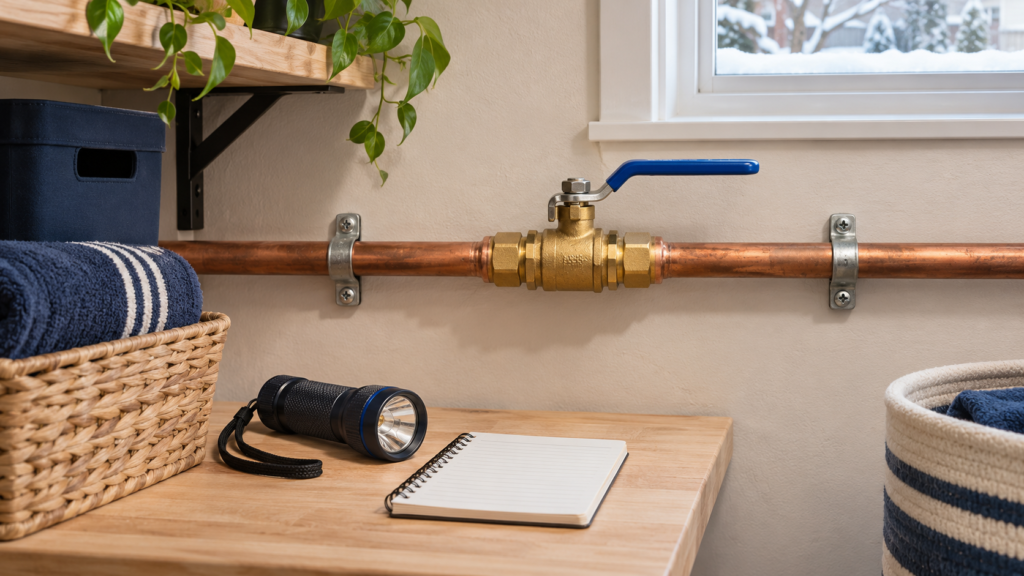
In a plumbing emergency, protect people first. If water is approaching electrical equipment, you smell gas, or a ceiling looks unstable, move away and get the appropriate emergency help. Otherwise, stop using the affected fixtures. Close a known water shutoff only when you can reach it from a dry, safe location and it operates normally. Then call and explain what is happening.
While waiting for a plumber, the goal is to limit further damage without creating an injury. A leaking supply pipe, a sewer backup and water entering through the building do not respond to the same first steps. This guide helps you tell those situations apart, prepare access and communicate useful observations. It does not require taking equipment apart or finding a concealed defect yourself.
1. Deal with electrical, gas and structural hazards first
Never walk into standing water to reach an electrical panel, outlet, pump or valve. Boots do not make that route safe. Do not unplug wet equipment or try to cover damaged wiring with tape. Instead, move to a dry location, keep others away and tell responders where water is approaching electrical installations. If there is an immediate threat to life or safety, call 911.
Hydro-Québec provides electrical precautions for flooding and water damage. When water is near the panel, or you cannot reach it safely without wet conditions, leave it alone. Contact Hydro-Québec at 1 800 790-2424 to have the situation made safe. Equipment affected by flooding needs an appropriate assessment before power is restored; a plumbing repair does not provide electrical clearance.
If you smell gas, leave without operating switches or using a phone near the suspected leak. From a safe location, call 911. Follow Énergir’s emergency instructions rather than waiting for an ordinary plumbing appointment. Also stay clear of a bulging ceiling, cracking materials or falling debris. Do not puncture a wet ceiling to release water. Give responders the location and visible signs from a safe distance.
2. Separate incoming water from drainage problems
A supply pipe delivers water to a tap, toilet or appliance. A leak on that pipe may continue even when nobody is using the fixture. A drain carries used water away. When that route is blocked or backing up, adding more water may cause an overflow somewhere else. Understanding the difference helps you choose a first step, but it does not establish the exact cause.
Observe only what you can see safely. Is water spraying from a visible connection? Does the toilet level rise after flushing? Does water appear at a floor drain when another fixture runs? Report those facts instead of repeating the test. A single clear observation is more useful than a better video obtained by making the damage worse.
Closing the indoor water supply will not necessarily stop a backup from an outside sewer, water entering through a wall, or water already stored in the building. If the source is unclear, stop water use, keep the area inaccessible and ask for instructions suited to the situation. A slower flow does not prove the defect is repaired. Tell the plumber whether the water stopped completely, merely slowed, or continues appearing elsewhere.
3. Use only an identified, safely accessible shutoff
If a leak clearly belongs to one fixture and you know its shutoff, you may close it gently when the valve and the route to it are dry and safe. For a major leak that cannot be isolated locally, the indoor main shutoff may be appropriate. However, you must know which valve it is. Do not experiment with unfamiliar controls or enter a hazardous utility space to find one.
Stop if the handle resists, the connection moves, the valve starts leaking or normal hand pressure is not enough. Avoid using pliers or an extension to force an old valve. Explain which control you touched and what changed afterward. Leave it in its current position until you receive a clear instruction. A damaged shutoff can become a second source of water.
In an apartment building, closing a shared valve can affect other occupants. Notify the owner, superintendent or manager promptly and have the correct control identified. Do not operate an outdoor municipal valve yourself. Montréal’s water-service closure procedure explains the municipality’s role and borough arrangements. Elsewhere, contact the municipality responsible for that address. Do not assume Montréal’s contacts, fees or procedures apply throughout Greater Montréal.
4. When a pipe is leaking heavily or appears to have burst
Keep people away from the spray and the path of the water. Hot water also creates a scalding risk. If a safe shutoff is available, use it; otherwise, step back and clearly tell the dispatcher that water is still flowing. Water can travel through a wall or ceiling before becoming visible. Describe where it appears without declaring that the break must be directly behind that spot.
Avoid cutting into walls, removing a light fixture or opening a wet ceiling. Do not heat a pipe with a flame. A container or towel may help with a small, safely accessible drip, provided there is no electrical exposure, unstable surface or overflow risk. It is not a response to a strong jet or rapidly rising water. Do not stand beneath damaged overhead materials to catch the leak.
Once help has been requested, read what to do if a pipe bursts for that specific situation. Meanwhile, record when you discovered the leak, the affected rooms and what happened after isolation. Do not automatically open every tap to drain the plumbing. That step can be inappropriate when drainage is also affected. Ask whether any further action is suitable for your particular installation.
5. When a toilet overflows
Stop flushing and tell everyone else not to flush. If the toilet’s supply valve is clearly identified and can be reached without stepping into water, close it gently. This can stop the tank from refilling. However, it does not clear the drain or guarantee that a backup coming from elsewhere will stop. Keep that distinction in mind when reporting whether the situation has improved.
If several fixtures react, dirty water appears in the shower, or the floor drain level rises, stop water use in the affected premises. In a shared building, notify management right away. A washing machine or dishwasher can discharge water when nobody is standing at a tap. Warn occupants directly rather than relying on a closed bathroom door to prevent further use.
Do not add chemical drain cleaner to a full bowl. Tell the plumber about any product already used, including its name if the container can be checked safely. Keep children and pets out of contaminated areas. Our guide to what to do when a toilet overflows covers the fixture-specific questions. During an active overflow, avoid repeated clearing attempts that add water, splash contamination or conceal what originally happened.
6. When water rises through a drain or several fixtures
A backup requires a different response from a dripping tap. Stop uses that add water to the affected drainage system and alert other occupants. Do not run a wash cycle to see whether the blockage has cleared. Leave cleanout caps in place: opening a backed-up pipe can release wastewater unexpectedly. The safe waiting period is not the time to dismantle access fittings.
Likewise, do not take apart a backwater valve during a backup. Its operation must be assessed in context. When a valve is closed, the fixtures it protects may be unable to discharge their water. Continuing to use those fixtures can therefore cause an indoor overflow. Tell the plumber if you know a backwater valve exists, but do not open an access cover in an unsafe or contaminated area.
From a safe location, note which fixtures are affected and whether the event coincides with heavy rain, water use or known nearby work. These clues help guide questions; they do not prove a public or private sewer defect. If municipal assistance is needed, the professional or local service can clarify the next step. Never enter a sewer access chamber or attempt to clear public infrastructure yourself.
7. When a water heater or connected appliance is involved
A puddle beside a water heater does not prove its tank has failed. Water may come from a connection, another appliance or a more distant source. Report where it appears, whether it seems hot and whether the equipment makes an unusual sound. Do not put your hand in a discharge to test its temperature. Stay clear of steam or hot spray.
Never block a relief valve or its discharge pipe. Do not open an electrical access panel on the heater, work on a burner or touch gas piping. If the water supply has been closed, ask what shutdown instructions apply to the actual model. The manufacturer’s manual governs its controls. A generic online instruction cannot identify an unfamiliar switch, fuel system or installation.
For a washing machine, dishwasher or connected refrigerator, stop use through a dry, safely accessible control only. Do not drag a heavy appliance through a puddle to look behind it. Provide the make and model if they are visible without moving anything. The assessment may need to distinguish building plumbing, the appliance connection and an internal equipment fault. An appliance technician may be needed for a problem outside the plumbing installation.
8. Protect belongings without entering the hazard
Move only items reachable from a dry, stable surface. Focus first on people, essential medication and light necessities. Do not retrieve a box from standing water or carry a heavy cabinet on wet stairs. A replaceable object does not justify a fall or electrical contact. If an item cannot be reached safely, leave it and explain its location later.
Keep the exit clear. When conditions permit, remove shoes and small objects from the dry route the professional will use. Secure pets away from the work area and arrange a calm place for children. Preparing access does not require moving contaminated materials, stripping a cabinet or opening equipment before the plumber arrives. Tell the dispatcher if there is no safe route to the affected room.
Do not plug a household vacuum, fan or extension cord into the wet area. Water removal and drying come after the space has been made safe. Québec’s post-disaster cleaning guidance addresses contaminated water and affected materials. Plumbing repair and sanitary restoration are separate needs. Ask who will handle each, especially when wastewater, porous finishes or concealed moisture may be involved.
9. Prepare a useful emergency call
Gather these details from a safe place. You do not need a complete diagnosis before requesting help:
- Location: full address, unit, floor and a number where you can be reached.
- Observation: rising drain water, a visible spray, or an overflow linked to a particular use.
- Hazards: electricity, gas, wastewater or a deformed ceiling.
- People: anyone needing assistance and the person responsible for the building.
- Current condition: continuing flow, known shutoffs used and fixtures affected.
Also mention chemicals, recent work and previous interventions. Separate what you observed from what someone else reported. A photo from a safe position can help, but it cannot guarantee a remote diagnosis. Do not delay the call while trying to obtain a perfect picture or locate a hidden pipe.
To request urgent plumbing help from ProDrain, use the displayed contact details and confirm actual availability, access and the next step. Do not assume an arrival time. If the conditions worsen during the wait, call back with the new facts. An immediate safety hazard calls for the appropriate emergency service, rather than simply waiting for the plumbing visit.
10. Arrange access in an apartment, condo or business
Notify the person responsible for the property. They may know the shared valves, utility rooms and access requirements. With their agreement, provide their contact number to the professional. In a condo or rental building, distinguish an observation inside your unit from an event affecting several units. That helps organize access without deciding ownership or liability before the facts are established.
Confirm the entry door, intercom, superintendent arrangements, elevator and available parking. Access authorization should be explicit. Do not leave an outside door open unattended to simplify the visit. If you must leave for safety, say so and agree on a safe way to reach the authorized person. Nobody should enter a dangerous room merely because a repair appointment has been arranged.
In a business, keep customers away from the affected area and notify the operations manager. Explain which activities are disrupted and any hygiene or closure constraints. The plumber needs to understand the use of the premises, but cannot alone establish every condition for reopening the business. Retain instructions from the relevant authorities or responsible specialists. Also identify who can approve work when the usual decision-maker is absent.
11. Document events without delaying safety measures
Once you are safe, make a simple timeline: first observation, water use, any closure, calls and visible changes. Take an overall photo of the room and then accessible details. Keep original files and service messages. Describe what you saw instead of writing a technical conclusion such as “blocked municipal sewer” before the assessment. If a neighbour reports a similar event, identify it as their report.
Contact your insurer for its instructions and required records. Reporting an event does not guarantee coverage, and a photograph does not settle responsibility. Keep invoices, work authorizations and reports. If something must be removed to make the property safe, ask how to preserve a useful record without keeping contaminated or dangerous material inside. Safety and necessary mitigation should not depend on creating a perfect file.
Never delay evacuation to collect evidence. Similarly, do not leave water running to demonstrate the severity of a leak. Record the action taken and its effect. An honest, incomplete timeline is better than a risky reconstruction. If the starting time is unknown, record the discovery time and say that the earlier duration is uncertain. This avoids turning an estimate into an apparent fact.
12. Clarify the work and billing before authorizing it
After immediate hazards are addressed, ask what the call-out covers, how time is billed and which additional charges may apply. Separate investigation, temporary control and lasting repair. Also ask how extra work will be approved if the assessment uncovers another problem. One clear agreement is more useful than repeatedly asking for a total before anyone has inspected the installation.
Review the fees to check before an emergency plumbing visit. A general price cannot replace an estimate suited to access, timing and the work required. If an initial safety intervention is needed before the rest can be priced, agree on that limited first scope and its billing basis. Keep the authorization and the person approving it identifiable.
At arrival, give the plumber your observations without insisting on a particular technique beforehand. An overflow does not automatically require a camera, replacement or excavation. Ask what was found and how the proposed work addresses it. Record the decisions when a second visit, another trade or the owner’s approval is needed. This makes the next step easier to coordinate without duplicating the entire hiring or quotation process.
13. Confirm what can be used after the repair
Before resuming normal use, ask which fixtures are available, whether a shutoff must remain closed and which signs mean you should call again. Stopped water is not necessarily a permanent repair. If a temporary measure was installed, have its limits, permitted uses and remaining work explained. Identify the next step and the person responsible for arranging it.
Do not restore power yourself to equipment that has been flooded. Repaired plumbing does not establish electrical safety. Cleaning, drying and assessment of affected materials may also need a separate company. Request a record distinguishing the observed cause, completed work and checks performed. That record helps coordinate restoration without suggesting that one trade has approved work outside its role.
After normal conditions return, have the useful water shutoffs identified and keep access clear. Retain appliance manuals and management contacts somewhere easy to find. Continue with the Maintenance, prevention and water damage guides when you are ready to plan prevention. The purpose is to make the next decision calmer and faster, rather than treating every minor sound as an emergency.
Questions while waiting for help
Should I close the water supply during a sewer backup?
Most importantly, stop uses that add water to the affected drainage system. Closing your supply can limit your own use, but it does not block water arriving from an outside sewer or another unit. Therefore, do not treat it as complete protection. Notify management and explain which fixtures are reacting.
Can I wait if the leak appears to have stopped?
Ask for the next step based on the shutoff used and the visible damage. A closed valve may simply isolate the fault. If water returns, a ceiling changes shape or an electrical hazard exists, the situation needs reassessment. Do not reopen the valve to test it without an appropriate instruction.
Should I clean everything before the visit?
No. Keep an unsafe or contaminated area inaccessible. Prepare only a dry, safe route where possible, document from a safe position and ask how drying should be organized. The professional needs an accurate description of the conditions, including chemicals used and any equipment already affected. Do not conceal continuing leakage with repeated cleanup.
What if I am away from the property?
Contact management or someone authorized to access the premises safely. Provide the address, your contact details and the known facts, distinguishing reports from your own observations. Do not ask anyone to enter water or touch electrical equipment as a favour. Arrange communication with the responsible person before the visit.