
Maintenance, prevention and water damage
Spring plumbing: 10 checks after winter
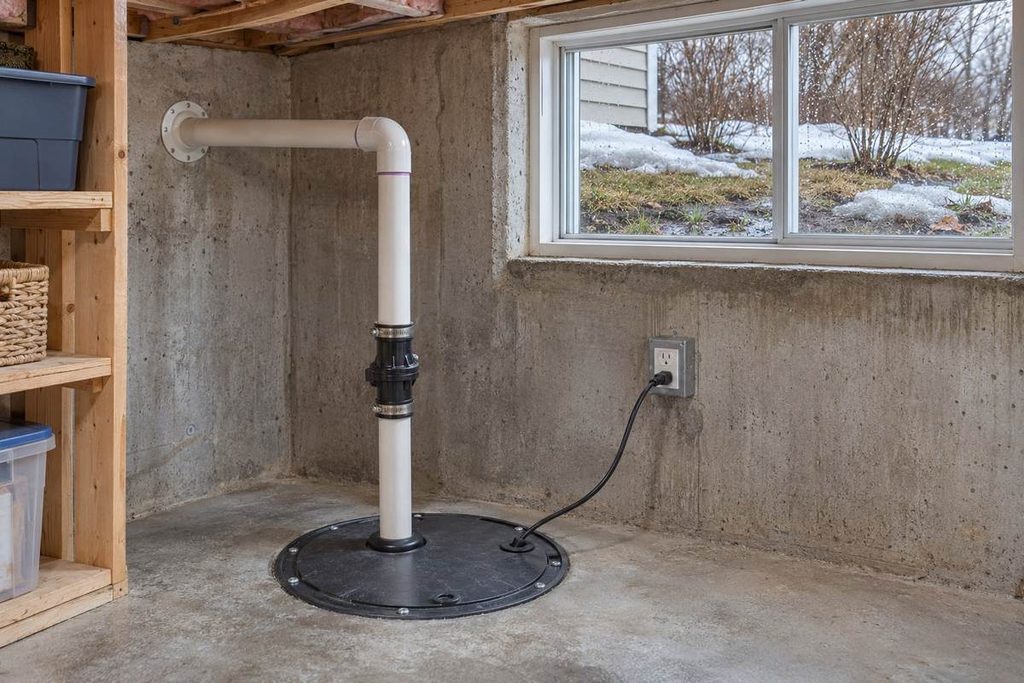
Spring plumbing preparation starts with a different question from a summer checklist: what changed as snow and ice melted, the ground became wet, and water was restored to fixtures that sat unused through winter? Snowmelt and rain can expose basement drainage problems. A water line weakened by freezing may reveal a leak only after it thaws or is pressurized again. These ten checks help you recognize the source of a symptom, use existing flood protection appropriately, and decide when to stop. They are observations for a homeowner, not instructions to dismantle a drainage or electrical system.
If water is near an electrical panel, outlet, appliance or wiring, stay out of the wet area and do not touch the water or equipment. Québec’s flood guidance says to contact Hydro-Québec to interrupt service if water has begun entering the basement; call emergency services if anyone is in immediate danger. If wastewater rises from a floor drain, stop using the connected fixtures and avoid contact. Water entering through a basement window, a pressurized supply leak and a sewer backup have different causes and require different responses. The Québec guidance on protecting health during a flood covers electricity, gas, carbon monoxide and contamination.
1. Start with safety before testing anything
Look toward the lowest parts of the home from dry, safe ground. Is water close to a receptacle, extension cord, pump connection, electrical panel or fuel-burning appliance? Is there a sewer smell or material rising from a floor drain? Are several basement fixtures affected at once? These observations matter more initially than locating every valve. Do not step into water of unknown depth or origin. Even water that appears clear can hide electrical and hygiene hazards.
If the basement is still dry and flooding is unavoidable, follow the official directions for turning off power only from a completely dry, safe position. Once water has started entering, do not approach the panel to operate a breaker. Never run a generator, barbecue or other fuel-burning equipment in a house, garage, basement or near doors and windows. Do not improvise with a portable electric pump plugged into a damp circuit. Move people away from the danger, check municipal alerts and get appropriate help before continuing a maintenance checklist.
For a visible supply-pipe leak in a dry area, locate the main water shutoff and close it if you can safely identify and reach it. A leak that continues, rising water, a gas smell or an active sewage backup warrants a different response from routine seasonal inspection. The useful spring habit is to establish these stop points before trying faucets, drains or pumps.
2. Trace snowmelt and rainwater outside
After a thaw or rainfall, observe where water flows around the house. Check the downspouts, eavestrough outlets, basement window wells and low spots beside the foundation. A blocked eavestrough or a downspout discharging at the wall concentrates water at the building. Remove leaves or debris that you can reach from the ground without climbing. Arrange safe maintenance for high or inaccessible sections. Avoid striking ice against a pipe, cable or exterior fitting.
Compare the property before and after the thaw. A pool that remains against the foundation, a slope toward a basement window or a pump outlet still buried in snow is worth recording. The Government of Canada flood-damage checklist treats eavestroughs, grading, basement windows, foundation drains and sump pumps as related but separate measures. No single device corrects every path by which water can enter.
Do not direct a discharge toward a neighbour’s property or connect it to an unidentified drain. Rules for stormwater and drainage connections differ by municipality and building arrangement. If the same area becomes wet each spring, take a photograph of the outside water path and the matching interior mark before planning a permanent change. Surface grading, a window, a foundation defect and a drainage issue can create similar-looking basement symptoms.
3. Look for new basement moisture without opening walls
Compare the floor, wall joints, baseboards, windows and accessible pipe connections with their usual condition. New staining, bubbling paint, swollen trim or a persistent damp smell is worth noting with a date. Look underneath accessible appliances and at nearby valves as well. A drip at a supply connection may occur regardless of rain, while a mark that grows only during snowmelt points to a different investigation. Photos taken from the same location over several days can show whether a mark is spreading.
Timing helps narrow the question without proving the cause. Moisture that appears during heavy rain or thaw may indicate exterior entry. Moisture that develops as a washer, toilet or faucet runs may involve supply or drainage. If everything is dry and safe, you can note whether a water meter continues registering flow when all known fixtures are off. First account for appliances that use water automatically. Do not remove panels or cut into a wall to settle an uncertain reading.
For clues behind a finish, use our guide to looking for signs of a hidden leak. It is more useful to record the pattern and arrange targeted diagnosis than to open several walls at random. After actual flooding, contaminated water and wet electrical equipment change the safety requirements. A surface that looks dry may still hold moisture beneath it; spring inspection is about noticing a change early and identifying its source.
4. Check the sump pump and discharge safely
If the home has a sump pit, observe its cover, power connection, discharge pipe and outdoor outlet from a dry, safe position. During snowmelt, does the water level rise and then fall when the pump operates? Is the exterior outlet clear and carrying water away rather than returning it to the foundation? Unusual noise, rapid continuous cycling, a pit that keeps filling, or a frozen or blocked discharge calls for assessment. Do not put a hand into the pit or handle a plug in a wet area.
Canada’s sump-pump guidance recommends an annual functional test and checks of the discharge and its check valve. It also explains why an alternate power source and backup pump matter during an outage. Follow the instructions for your specific pump. Where the manufacturer permits it and the installation is dry and safe, adding a measured amount of water to the pit can confirm that the pump starts and discharges. Stop if the response is abnormal; repeated cycling is not a repair.
A sump pump moves water collected in its pit. It does not mend a leaking drinking-water pipe, stop sewer water from backing up through an unprotected fixture, or establish that foundation drainage is working. If the pump fails, seek evaluation of the pump, capacity at the actual lift height, authorized discharge path and electrical supply. An existing backup battery should be checked under its own instructions; its presence alone does not prove it will carry the load when power fails.
5. Locate and understand the backwater valve
A backwater valve on a drain can limit sewage flowing back toward a basement when the downstream sewer is overloaded. Find out which fixtures it protects and where its inspection access is located. A hatch covered by flooring cannot be maintained easily. Seeing one valve does not establish that every basement fixture is protected. The correct arrangement depends on the building’s drainage layout and local rules, so a generic photograph is no substitute for an assessment of the actual piping.
The Government of Canada backwater-valve guide recommends professional advice on suitability, installation and maintenance. The City of Montréal explains valve access and care under its municipal rules. Other Greater Montréal municipalities may have different requirements. If you cannot identify the model and access, do not open a sewer cleanout simply to see whether a valve moves.
When a valve closes during a sewer surcharge, household wastewater may also be unable to leave by that route. Reduce or stop using the affected shower, washer, dishwasher and toilet until drainage is normal. Forcing the valve open or continuing to run water can cause an indoor overflow. A previous backup, an inaccessible valve or sewer odour warrants an inspection before the next major rain. A backwater valve addresses a sewer pathway; it does not seal a leaking foundation window or redirect surface water.
6. Watch pipes that were exposed to freezing
Thawing or renewed pressure can reveal damage that was not visible during winter. Look at accessible sections in a garage, crawl space, near an exterior wall and around outdoor water connections. Signs include a new drip, split or distorted pipe, fresh staining, or water noise when nobody is drawing water. Reduced flow alone is not proof of a frozen or broken line; a partially closed valve or blocked aerator can produce a similar symptom.
Before restoring a fixture that was shut down for winter, make sure the area is dry, observe whatever connections are accessible and know how to close the appropriate isolation valve. Reopen it gradually according to the installation, then monitor the joints during use and again afterward. If water appears, shut off the accessible supply without exposing yourself to danger. A sealant applied over a damaged pipe is not a proper repair. A concealed leak calls for targeted investigation instead of exploratory demolition.
Our guide to preventing frozen pipes covers winter exposure and safe thawing boundaries. This spring check is different: it focuses on what becomes apparent as water returns. Never use an open flame, torch, improvised heater or boiling water on a pipe. If a section remains frozen, its material, location and nearby wiring determine how a qualified person can assess it safely.
7. Test outdoor taps and hoses before regular use
An outdoor faucet can look intact from the yard while leaking inside the wall when it runs. Before reconnecting a hose, inspect the outlet, the interior side of the wall where accessible, and the isolation valve. Check an old hose for splits and its coupling for damage. Once the supply is restored, run the faucet briefly and watch the indoor area during use and for a few minutes afterward. New moisture behind the wall is a reason to stop using the tap and arrange a leak investigation.
A faucet marketed as frost-free depends on correct installation and winter preparation; the label does not guarantee immunity from damage. A hose left attached, poor slope or incomplete shutoff can keep water in a section that should have drained. Conversely, low flow is not proof the wall pipe broke. Check whether a hose is kinked or an attachment is obstructed before assuming a concealed defect, and do not force a seized fitting.
For irrigation, follow that system’s spring commissioning instructions. Buried lines, valves and devices that protect the potable supply may need specialist assessment if exposed to freezing. Protection against contaminated water flowing backward into drinking-water piping is distinct from the sewer backwater valve discussed above. Never connect a hose to a drainage line or questionable water source to flush a system. If the piping arrangement is uncertain, leave it off until identified.
8. Notice drain changes and distinguish backup from a local clog
During normal use after the first heavy rain, note how sinks, showers, toilets and laundry fixtures drain. One slow basin can indicate a local trap or branch issue. Multiple basement fixtures gurgling or backing up together suggest a shared drain path. Water rising at a floor drain during rain points to a different pathway from a pressurized leak under a sink. These are useful descriptions for an assessment, not definitive diagnoses of the municipal sewer, a foundation drain or a particular blockage.
If sewage appears, stop using the affected fixtures, avoid contact and keep children and animals away. Do not mix chemical drain openers, unscrew a pressurized cleanout, or repeatedly flush a toilet to see whether it clears. If a drain is merely slow and no overflow is occurring, record which fixtures are involved, when the rain started, any gurgling or odour, and whether the problem happened before. A clear account can guide the next inspection more effectively than guesses about a specific pipe.
For ordinary care rather than an arbitrary fixed cleaning interval, see drain maintenance based on observed problems. A seasonal recurrence does not automatically mean a public sewer fault or a clogged weeping tile. Sanitary drainage, foundation drainage and overland water should be distinguished before selecting work. In the meantime, a closed backwater valve means you must also limit water produced inside the home.
9. Plan for flood alerts and power outages
Check local alerts when a rapid thaw is forecast. The Government of Québec recommends a family emergency plan, supplies and municipal alerts. Record the locations of safely accessible water shutoffs, important documents and the people to contact. Make sure other occupants understand the plan without asking anyone to approach a wet electrical panel or sump pit during an event.
From a dry, safe area, move vulnerable belongings higher before water arrives. Test a water alarm or backup battery according to its manufacturer’s instructions. An alarm can warn of a problem; it does not increase a pump’s capacity or clear a blocked discharge. A pump that relies solely on grid electricity stops during an outage. Backup power needs to suit the actual equipment and be maintained. Electrical installation belongs with the appropriate qualified trade.
Once flooding is imminent, official instructions and personal safety take priority over plumbing experiments. Do not cross a flooded street or yard to inspect a pump outlet. Do not run a generator indoors or under an attached awning. If utility service has been interrupted after flood damage, follow the provider’s process and required inspections before restoring it. A pump turning on again does not mean every electrical, gas or sanitary system in the building is safe to use.
10. Keep a useful record and choose the next step by symptom
At the end of the spring inspection, note the date, recent weather, affected fixtures and anything that changed. Photograph stains, the sump level, exterior discharge and accessible valves only from safe positions. Separate tasks you have completed from conditions to watch at the next rain and issues that need expert assessment. Clearing reachable debris from a downspout is different from investigating wastewater that rose through several basement drains.
When describing the problem to a professional, state what happened first: thaw, rain, opening an outdoor tap, running laundry or losing power. Say whether water seemed to come from a wall, supply pipe, window, sump or drain. Avoid declaring a failed foundation drain or city sewer without evidence. The proper remedy may involve plumbing, exterior grading, the building envelope or more than one system. Accurate observations reduce the chance of treating only the visible symptom.
If water entered the building, document safety and cleanup measures and check your own insurance policy and notice requirements. Coverage depends on the wording and cause; sewage backup or ground infiltration should never be assumed automatically covered. Your broader home maintenance checklist remains useful through the year. This spring guide deliberately concentrates on thaw, rainfall, restoring water service and basement protection rather than repeating summer preparation or general annual maintenance.
Spring plumbing questions
When should I inspect plumbing after winter?
Make an initial round when access is safe and before restoring outdoor faucets. Repeat basement and pump-discharge observations during a thaw or after significant rain, because some problems appear only under load. Do not wait for a calendar date if there is a leak, sewer odour or flood alert.
Will a sump pump prevent a sewer backup?
No. A sump pump moves water collected in its pit to its designed discharge. A properly selected and installed backwater valve is intended to limit sewage returning through a drain. The building’s actual piping and municipal rules determine which protections are relevant; assess the systems separately.
What if water is near the electrical panel?
Stay out of the wet area and do not touch the water or equipment to operate a breaker or test a pump. Follow Hydro-Québec and Québec flood instructions to have service interrupted, and call emergency services for immediate danger. Appropriate inspection is needed before equipment affected by flooding is used again.
Why does an outdoor tap leak only while it is on?
A section of the faucet or pipe behind the wall may have been damaged over winter. Water can then enter the wall during use although the outdoor spout looks normal at rest. Close the tap or safely accessible isolation valve and seek a targeted leak assessment rather than opening the wall at random.
Can I keep using fixtures if the backwater valve closes?
Reduce or stop using fixtures that drain through the protected line. Household wastewater may have no normal exit while the valve is shut and can overflow inside. Do not force the mechanism open; follow its instructions and obtain an assessment if closure persists or sewage rises.
Explore other guides in Maintenance, prevention and water damage.